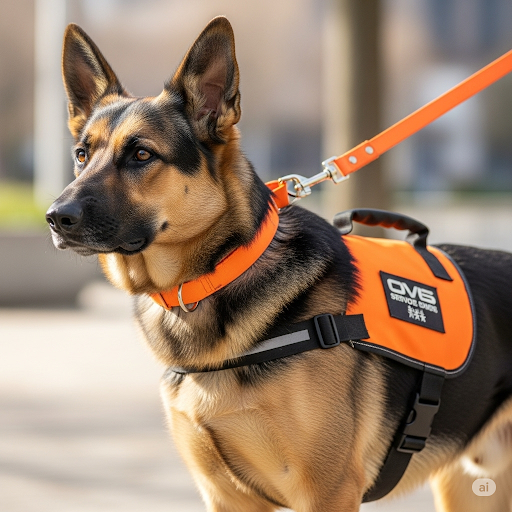
Dogs have seamlessly integrated themselves into human society, earning a unique and cherished position in our lives. More than mere pets, they offer an unparalleled form of companionship, characterized by unwavering love, loyalty, protection, playful antics, and an intuitive understanding of human emotions. This profound connection has led to the well-deserved title of "Man's Best Friend." However, within this remarkable species, a select few rise to extraordinary heights, demonstrating capabilities that extend far beyond the typical canine role. These exceptional animals are known as service dogs.
Service dogs are meticulously trained to perform a myriad of tasks that not only showcase their deep affection for their human partners but also significantly enhance their quality of life. From providing independence and freedom to acting as life-saving responders, these incredible animals navigate a world of challenges alongside their handlers, offering support that is both physical and emotional. This exploration will delve into the world of service dogs, uncovering the intricacies of their training, the diversity of their roles, and the profound impact they have on individuals with disabilities and special needs.
At the heart of the service dog's effectiveness lies the unique bond forged with their human partner. This relationship transcends the typical pet-owner dynamic, evolving into a symbiotic partnership built on trust, mutual respect, and unwavering affection. Service dogs are more than just tools or aids; they are companions, confidants, and a constant source of emotional support. This deep connection is crucial for the dog's ability to accurately interpret and respond to their handler's needs, often anticipating challenges before they arise.
Service dogs fulfill a wide array of roles, each tailored to the specific needs of their handler. These roles include:
Guide Dogs: Navigating the world for individuals with visual impairments, ensuring their safety and independence.
Hearing Dogs: Alerting individuals with hearing loss to critical sounds, such as alarms, doorbells, and approaching vehicles.
Mobility Assistance Dogs: Providing physical support and assistance to individuals with mobility limitations, helping them with tasks such as opening doors, retrieving objects, and maintaining balance.
Seizure Response Dogs: Detecting and responding to seizures, providing comfort and potentially life-saving assistance during and after the event.
Psychiatric Service Dogs: Performing tasks that mitigate the symptoms of mental health conditions such as anxiety, PTSD, and depression.
The journey to becoming a service dog is a demanding one, requiring extensive training and unwavering dedication. These dogs undergo a rigorous program that typically lasts 1-2 years, focusing on socialization, obedience, and developing task-specific skills. They are exposed to various environments and situations to ensure they can perform their duties reliably and effectively in any setting. Training ensures that the dog is well-behaved, non-aggressive, not disruptive, and capable of performing the tasks necessary to assist their handler.
While the benefits of service dogs are undeniable, it is essential to acknowledge the challenges and considerations that come with their use. The financial and logistical burdens of obtaining and maintaining a service dog can be significant. Additionally, the misuse of service dog designations raises concerns about increased scrutiny and regulations. Handlers must remain diligent in training and socializing their service dogs to ensure they are well-behaved in public settings. Accessibility and public acceptance of service dogs can also present ongoing challenges.
As we move forward, it is crucial to continue researching and understanding the multifaceted aspects of service dogs and their impact on human lives. Further investigation into the psychological and emotional benefits of the service dog-handler relationship is warranted, as is the development of strategies to address the challenges and considerations associated with their use. By promoting inclusivity, accessibility, and a deeper understanding of the vital role service dogs play, we can create a more supportive and welcoming society for all.
The Road Ahead Research and Understanding
Challenges and Considerations
The Rigorous Path to Service: Training
The Multifaceted Roles of Service Dogs: A Spectrum of Support
A Bond Beyond Words: The Essence of the Service Dog-Handler Relationship
SERVICE DOGS

Contact Us
Reach out for inquiries about service dogs and their laws.